Book Review
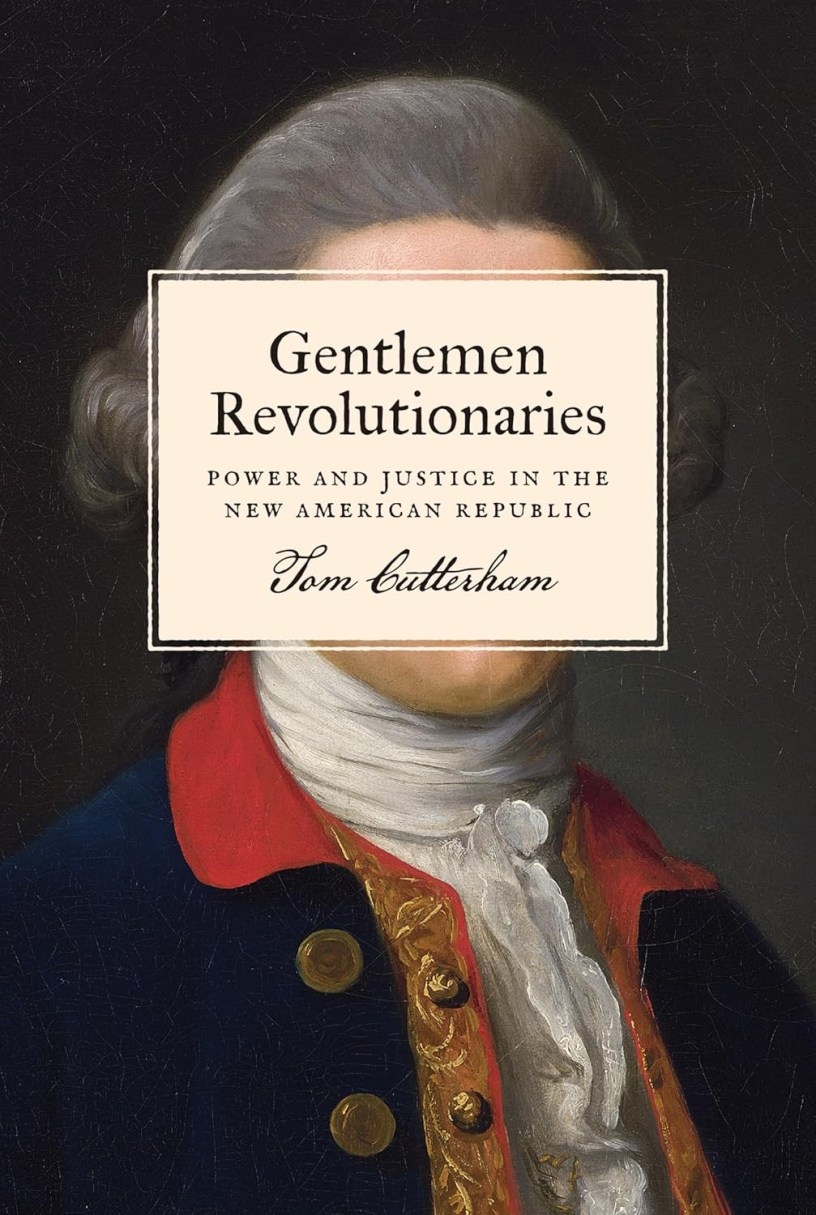
Cutterham, Tom. Gentlemen Revolutionaries: Power and Justice in the New American Republic. Princeton, New Jersey: Princeton University Press, 2017.
Tom Cutterham, a Senior Lecturer at the University of Birmingham, offers a traditional Marxist view of class conflict between the rich and poor in Revolutionary America. The British professor asserts that new national elites espousing gentlemanly ideals of justice and property protection emerged after independence from Britain. However, populist farmers and tradesmen demanded equal treatment in popular uprisings over debt and money, such as New England’s Shay’s Rebellion. Based upon a code of honor, gentleman elites reacted to the attack on their property rights and democratic threats by enacting an elitist-supportive federal government. The 1787 Federal Constitution provided a stable environment for the elites, ensuring the sanctity of contract over democratic intrusions and facilitating international trade and interstate commerce.
As proof for his thesis, Cutterham offers that gentleman elites formed the hereditary Society of Cincinnati to influence government, exclusively educated elite, white men, opposed the confiscation of loyalist properties to reinforce property rights, supported a national bank to facilitate trade, and led the efforts to create an elite-favoring federal constitution. In the author’s view, these actions preserved elite power, prioritizing property and justice over social equality and democratic ideals.
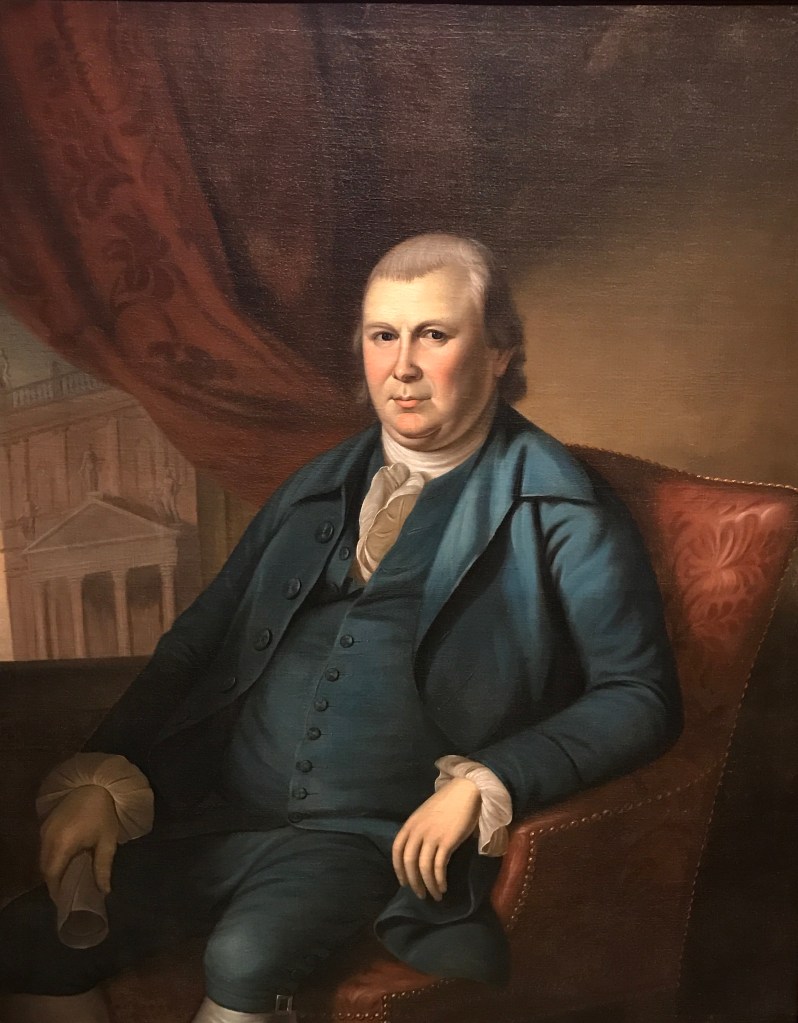
While well-written, Cutterham’s arguments are not without critique. The author does not define who is a gentleman and what qualifies them to be an elite. The reader is left with the impression that gentlemen elites were merely rich white guys, and all wealthy men were elites. However, a deeper investigation reveals that the author’s examples are more complex. For instance, the financier Robert Morris, who enjoyed wealth and influence for a portion of his life, spent three and one-half years in debtors’ prison and died penniless. Additionally, the author spent little time with people and events in Kentucky, Tennessee, and Vermont, significantly influencing American governments. In contrast to Eastern society, Westerners had vastly different behavioral views and distributions of wealth and power. This inclusiveness would add depth to the narrative and stimulate intellectual curiosity.
The book also has several assertions that need to be more deeply argued. For example, the author creates a dichotomy between democracy and commercial contracts but fails to discuss why these two political norms conflict and, if proven they do, whether there are any solutions. Additionally, the British professor often repeats the word licentious but does not define it, leaving a twenty-first-century reader to guess its eighteenth-century meaning. This lack of in-depth argumentation leaves the reader wanting a more engaging discussion.
Finally, the author only briefly mentions the increasing democratic-leaning state constitutions. After the Revolution, sovereignty resided in the states. New state constitutions expanded suffrage and representation, adjudicated property issues, and impacted citizens’ daily lives more than the Articles of Confederation and the succeeding US Constitution. It’s essential to inform the readers about these state constitutions’ significant influence on post-Revolution America.
Although some might be tempted to merely characterize Cutterham’s thesis as the American Revolution version of trading one set of white leaders for another, leaving out women and people of color, I recommend a more thoughtful read and analysis. Despite my criticisms, Gentlemen Revolutionaries demonstrates that the American Revolutionary ideals were difficult to achieve, requiring extensive political, social, and legal modifications over the past 248 years. And the job continues.
Discover more from Researching the American Revolution
Subscribe to get the latest posts sent to your email.
